

Relationship Therapy
Individual and couples therapy · Virtual across Ontario · In-person in Ottawa
Most people do not come to therapy because they stopped loving their partner. They come because they have been having the same argument for years and nothing ever changes. Because one person keeps trying to talk things through and the other keeps going quiet. Because the distance between them has grown so gradually that neither can point to when it started.
They come because they are lonely inside the relationship. And that particular loneliness, the kind that sits right next to another person, is one of the hardest things to name.
These patterns are not random, and they are not evidence that the relationship is broken beyond repair. They are usually adaptations, each person doing what they learned to do in order to feel safe. The problem is that what kept each of you safe early on is now keeping you apart.
Therapy is where you slow that down enough to see it clearly, and begin to change it.

The pursue and withdraw pattern
In many relationships, one person pushes toward connection and the other pulls back. The more one tries to explain, resolve, or get closer, the more the other goes silent, shuts down, or avoids. Both people end up feeling alone. The pursuer feels rejected. The withdrawer feels overwhelmed. Neither is doing it deliberately. Both are doing exactly what they were shaped to do.
This pattern usually started long before the relationship. The pursuer learned early that connection required effort, that love had to be sought, that silence meant something was wrong. The withdrawer learned that closeness was unsafe, that emotions were too much, that the best protection was distance. Both responses made sense in the environments where they developed. In the relationship, they collide.
Understanding the pattern does not fix it automatically. But naming it, and seeing what each person is actually trying to protect, is where the shift begins.

Individual therapy
You do not need your partner in the room to do meaningful work on your relationship.
Individual therapy can help you understand your own patterns clearly enough to stop being at their mercy. It can help you see what you bring into the relationship from your history, what you are responding to versus what is actually happening, and what you genuinely need from a partner versus what you have been afraid to ask for.
It can also help when the relationship has ended. Grief after a relationship is real grief. The loss of a person, a life, a future you had imagined. That deserves space too.
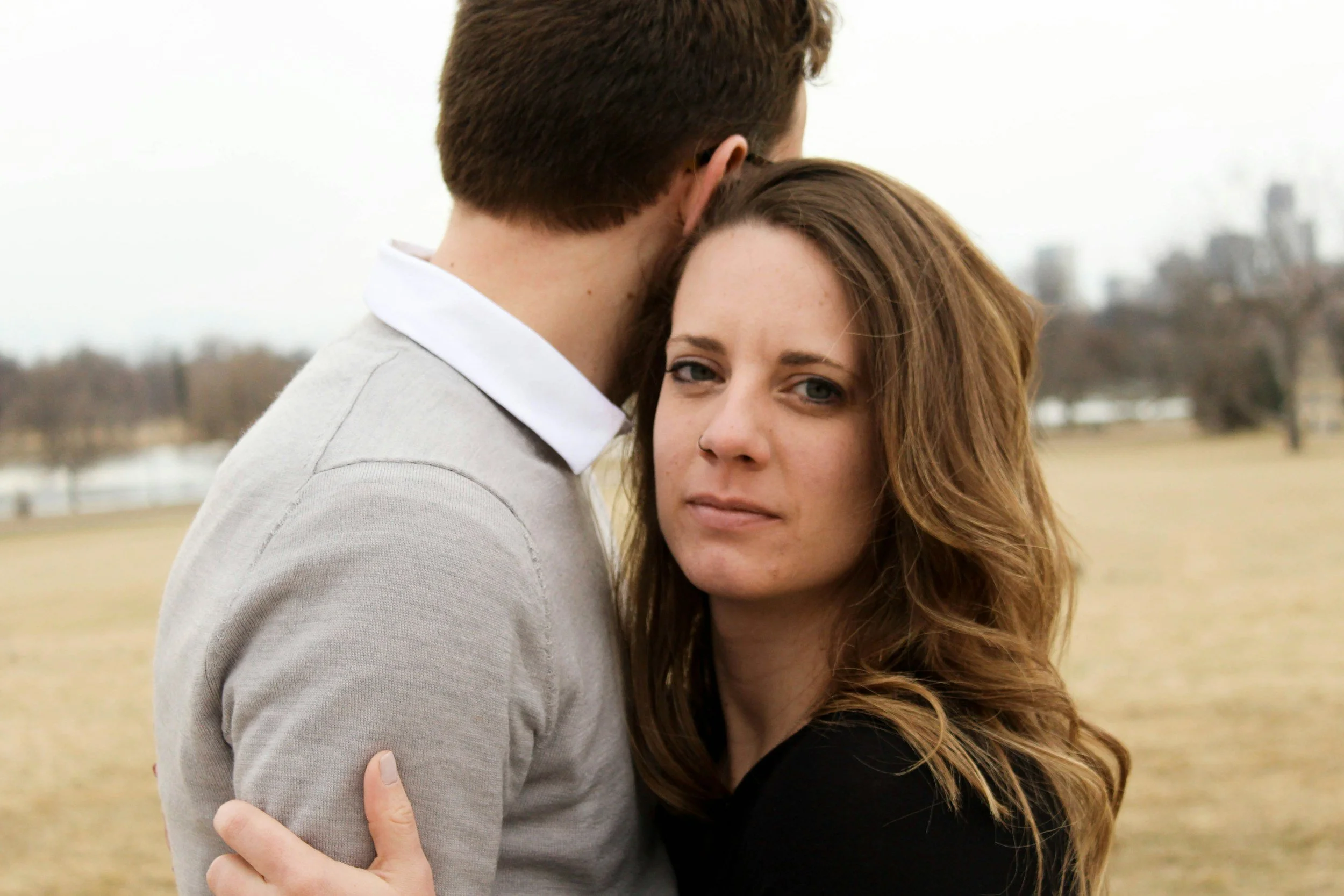
Couples therapy
When both partners come to therapy, the work is different. We are not looking for who is right. We are looking at the pattern that has formed between you, what each person is contributing to it, and what each person is trying to protect.
In couples sessions, we slow the dynamic down enough to see it in real time. We name what is happening when the conversation goes sideways. We look at what each person is actually feeling underneath the position they are holding. And we start to build a different kind of conversation, one where connection does not depend on one person winning or one person giving up.
Couples therapy is most effective when the patterns are named. It is possible to do meaningful work even when the damage is significant, as long as both people are willing to look honestly at their part.

Who I work with
I work with individuals and couples who are stuck in patterns they can see but cannot seem to change on their own. People who love each other but cannot seem to reach each other. People who are tired of the same argument. People who are lonely in ways they do not know how to explain to the person they are with.
I also work with people who are not in a relationship but carry a fear that they will not be able to sustain one: a fear of abandonment, a pattern of choosing unavailable partners, a sense that real closeness always leads to loss.
And I work with people navigating the end of a relationship, the grief of it, and the process of understanding what they want to bring differently into whatever comes next.
Frequently Asked Questions
-
The pursue and withdraw pattern is one of the most common relational dynamics. One partner moves toward connection by talking, explaining, or seeking reassurance. The other moves away by going quiet, shutting down, or avoiding conflict. The more the pursuer pushes, the more the withdrawer pulls back. The more the withdrawer pulls back, the more the pursuer pursues. Both end up feeling disconnected and alone, and neither is doing it deliberately. The pattern usually has roots in early attachment experiences and responds well to therapy.
-
Attachment therapy for adults focuses on how early relational experiences shaped the way you connect with, trust, and depend on other people. If you experience fear of abandonment, difficulty letting people close, conflict avoidance, or anxiety in relationships, these patterns are likely rooted in early attachment. In therapy, we explore where the patterns came from and work toward more secure, less reactive ways of being in relationship.
-
Yes. When one person in a relationship changes their pattern, the dynamic between them shifts. You cannot control what your partner does, but you can change what you bring to the interaction: how you respond to withdrawal, how you express your needs, how you tolerate uncertainty, what you are willing to ask for. That alone can meaningfully alter the dynamic. Many people find that their relationship changes significantly through individual therapy, even without their partner in the room.
-
Both can be useful, often at the same time. Couples therapy is well suited to working on the pattern between you as it happens in real time. Individual therapy is well suited to understanding what you bring from your own history and working on your responses independent of the dynamic. If your partner is not willing to come to therapy, individual work is a meaningful place to start. If both of you are willing, couples sessions can accelerate the work significantly.
-
Fear of abandonment is a deep anxiety that the people you love will leave, reject, or stop caring about you. It often develops in response to early loss, inconsistent caregiving, or emotional unpredictability in childhood. In adult relationships it can show up as jealousy, clinginess, difficulty being alone, choosing unavailable partners, or paradoxically pushing people away before they can leave. Therapy helps identify the roots of the fear and develop a more secure sense of self that does not depend entirely on another person's constancy.
-
No. Couples therapy is most effective when patterns are addressed before they have calcified. Many couples come to therapy not because the relationship is failing but because they want to understand each other better, navigate a significant transition, or stop a pattern before it does more damage. It is also appropriate when one or both partners are considering whether to stay in the relationship, and want a clear-eyed space to look at that question honestly.